

What Qualities Do Local Pool Contractors Have?
Building or renovating a swimming pool is a significant property improvement, so choosing the right professionals matters. The contractor is responsible for coordinating design decisions, construction details, materials, scheduling, equipment, and communication throughout the project. Experienced local pool contractors bring a combination of technical knowledge, organization, transparency, and familiarity with the area that can help homeowners feel more confident as their plans move from an idea to a finished outdoor space.
A well-designed pool can also become part of an active lifestyle. According to Simply Swim, swimming for 30 minutes each day can improve cardiovascular health. Whether homeowners envision a pool primarily for exercise, relaxation, family recreation, or entertaining, selecting professionals with the right qualities can make the construction experience more manageable. Looking at experience, communication, planning, design knowledge, professionalism, and long-term support can help property owners evaluate who is prepared to handle the work.
Demonstrating Strong Industry Experience
Showing Relevant Project Knowledge
Pool construction involves excavation, structural work, plumbing, equipment, finishes, decking, and other interconnected components. Contractors with relevant experience understand how these elements must come together throughout the project. That background can be especially valuable when unexpected site conditions or design questions arise.
Showing Familiarity With Different Pool Types
Homeowners may want different shapes, depths, materials, finishes, or water features depending on how they plan to use the pool. Experienced local pool contractors can discuss how available options fit the property and explain which design considerations deserve attention before construction begins.
Showing Knowledge of Equipment
Pumps, filters, heaters, lighting, sanitizing systems, and other equipment all affect pool operation. Contractors should understand how these components relate to pool size, expected use, and maintenance requirements so the equipment plan supports the overall design.
Showing Experience With Renovations
Existing pools may need resurfacing, equipment upgrades, structural improvements, or design changes rather than complete replacement. Contractors familiar with renovation work can evaluate current conditions and explain which improvements can help update the appearance or functionality.
Demonstrating Clear Project Communication
Explaining the Scope of Work
Homeowners should understand what is included before construction begins. A clear scope can identify design features, materials, equipment, decking, excavation, and other major project components. Good communication reduces confusion and provides a useful reference as work progresses.
Explaining the Project Schedule
Pool construction includes several stages, and weather, inspections, materials, or site conditions can affect timing. Local pool contractors should be willing to explain the anticipated sequence and communicate when changes occur rather than leaving homeowners uncertain about what happens next.
Explaining Design Decisions
Homeowners often have questions about size, depth, finishes, steps, lighting, and other features. Contractors who explain the practical implications of different choices can help customers make decisions that reflect how they intend to use the finished pool.
Explaining Changes Promptly
Construction projects can occasionally require adjustments after work begins. When that happens, homeowners benefit from being informed about what changed, why it changed, and how the adjustment affects the scope or schedule. Consistent communication helps maintain realistic expectations throughout the project.
Demonstrating Thoughtful Design Planning
Considering the Available Yard Space
A pool should fit comfortably within the property rather than overwhelming the entire outdoor area. Good planning considers setbacks, landscaping, patios, walkways, seating areas, and other features that need to coexist with the pool.
Considering How the Pool Will Be Used
Someone interested in lap swimming may have different priorities from a family focused on recreation or entertaining. Experienced local pool contractors can discuss intended use before developing the design so that dimensions, depths, entries, and surrounding features better support the homeowner's goals.
Considering Outdoor Living Features
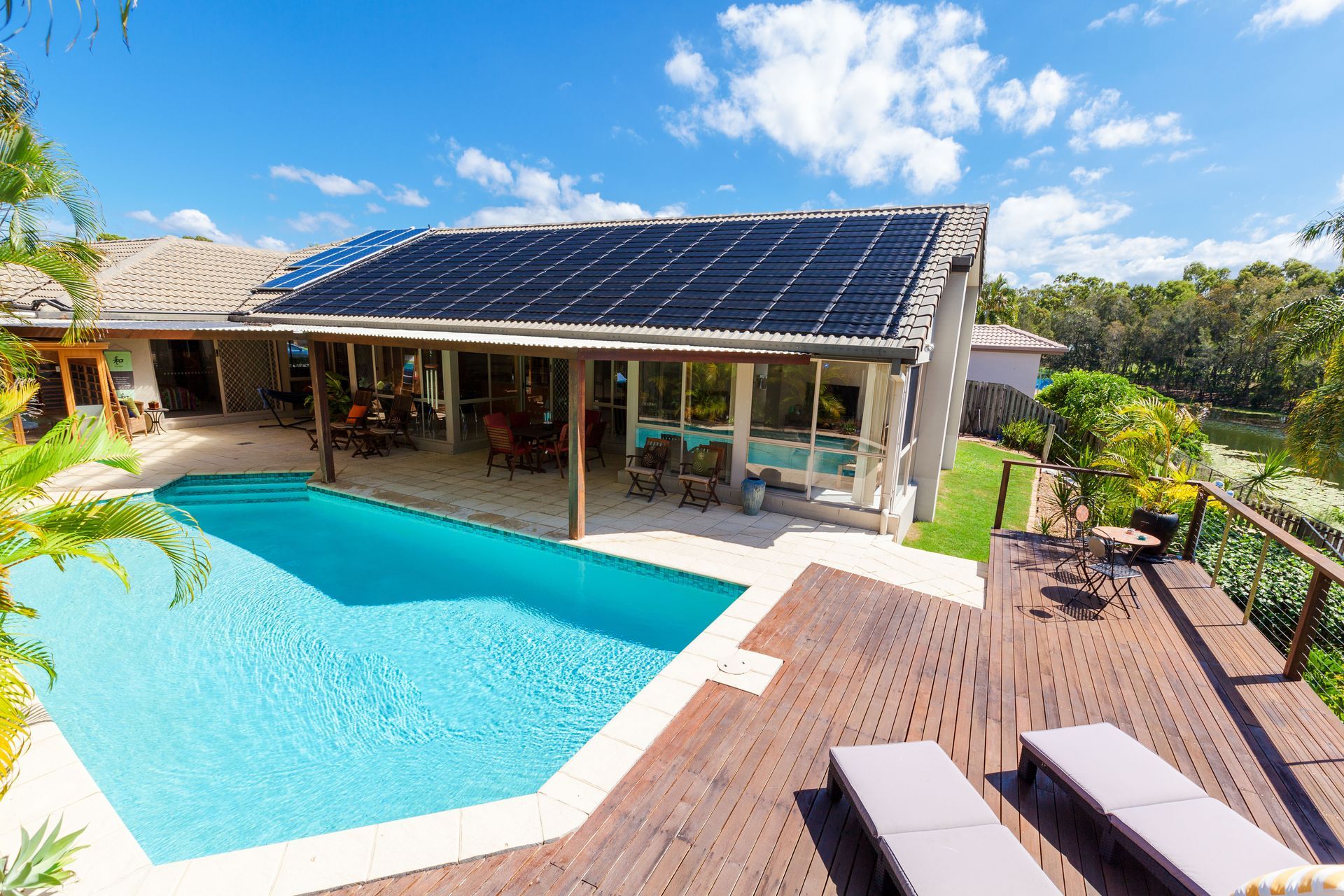
The pool is often only one part of a larger backyard environment. Decking, shade structures, lighting, landscaping, and gathering areas can all influence how the space functions. Coordinating these elements can help create a more cohesive outdoor setting.
Considering Future Needs
A pool should continue serving the household as routines change. Families may want flexible areas that can support children today and entertaining or exercise later. Thinking beyond immediate preferences can help create a design with greater long-term usefulness.
Demonstrating Attention to Site Conditions
Evaluating Property Access
Excavation and construction require access for workers, materials, and equipment. Narrow side yards, fencing, existing landscaping, and neighboring structures can all affect logistics. Contractors should evaluate these conditions before work begins so that access requirements are understood.
Evaluating Drainage Conditions
Water movement around the property can affect both the pool area and surrounding improvements. Local pool contractors should consider grading, runoff, and drainage patterns when planning the project so the finished design works with existing site conditions.
Evaluating Elevation Changes
Sloped properties may require different design or structural considerations than level lots. Elevation can influence retaining features, decking, steps, and how the pool sits within the landscape. Careful planning helps integrate these conditions into the design.
Evaluating Existing Utilities
Electrical, plumbing, gas, irrigation, and other utility locations can influence construction planning. Identifying relevant site conditions early helps contractors coordinate work and determine whether additional adjustments are necessary before major construction begins.
Demonstrating Professional Project Management
Coordinating Multiple Construction Stages
Pool projects require several phases to happen in the correct order. Excavation, structural construction, plumbing, electrical work, equipment placement, finishes, and surrounding improvements all need coordination. Strong project management helps keep those activities organized.
Coordinating Materials and Equipment
Delays can occur when key materials or equipment are unavailable. Professional local pool contractors plan selections and ordering with the broader schedule in mind, helping reduce unnecessary interruptions between construction phases.
Coordinating Inspections and Requirements
Pool construction may involve local permits, inspections, and other requirements. Contractors familiar with the area can account for these administrative steps within the overall schedule and communicate when inspections or approvals affect progress.
Coordinating the Final Details
The final stage of a project includes more than finishing construction. Equipment operation, surface condition, cleanup, and other details should be reviewed before the project is considered complete. Careful attention during this stage contributes to a more polished handoff.
Demonstrating Long-Term Customer Support
Providing Equipment Information
Homeowners should understand the major equipment associated with their pool and how it contributes to its operation. Contractors can provide information about installed systems, manufacturer recommendations, and other relevant details before the project concludes.
Providing Maintenance Context
Different finishes, equipment systems, and design features can have different maintenance requirements. Contractors can explain what homeowners should expect so they have a clearer understanding of the ongoing care associated with the finished pool.
Providing Warranty Information
Materials, equipment, and workmanship may carry different warranty terms. Homeowners benefit from receiving clear information about applicable coverage and knowing where to direct questions if an issue develops after construction.
Providing Continued Service Options
A lasting relationship can be valuable when future repairs, renovations, equipment changes, or other pool needs arise. Contractors who remain available after installation can provide continuity because they are already familiar with the property and the original project.
Choosing a pool contractor involves evaluating much more than an initial price or design sketch. Experience, communication, design knowledge, site awareness, project management, and long-term support can all influence both the construction process and the finished result. Homeowners planning a new pool or renovation can contact Cryer Pools & Spas today to discuss their outdoor goals with experienced local pool contractors and begin developing a pool designed around their property, lifestyle, and long-term needs.











Share On: