

Why Are Swimming Pools So Popular?
Swimming pools have evolved far beyond being simple backyard amenities. Today, they support wellness routines, encourage social connection, enhance outdoor living, and create meaningful experiences for families and communities. Homeowners increasingly view them as long-term lifestyle investments rather than seasonal extras, especially in warmer regions where outdoor living is part of daily life. Whether designed for relaxation, fitness, or entertainment, swimming pools continue to adapt to how people live, unwind, and connect.
Supporting Health And Wellness
Health benefits remain one of the most compelling reasons homeowners invest in aquatic features. Swimming provides a full-body workout that improves strength, flexibility, and endurance without placing excess strain on joints. According to Simply Swim, swimming for 30 minutes a day can improve your cardiovascular health, making it a practical and accessible fitness option for people at many different stages of life. This consistency makes swimming easier to maintain than many traditional workout routines.
Unlike high-impact exercises, water-based movement allows the body to stay active while reducing stress on muscles and joints. The buoyancy of water supports motion while still offering resistance, which helps build strength safely. For individuals managing arthritis, mobility limitations, or recovery from injury, swimming pools offer a way to stay active without unnecessary discomfort. This balance helps users maintain momentum without risking setbacks.
Pools are also widely used for rehabilitation and therapeutic purposes. Aquatic therapy supports balance, coordination, and muscle rebuilding in a controlled environment. These programs demonstrate how swimming pools extend beyond recreation into valuable health-support spaces for both short-term recovery and long-term wellness. Medical professionals frequently recommend water-based movement for its adaptability. Mental health benefits are equally important. Swimming helps reduce stress, improve sleep quality, and promote emotional balance through rhythmic movement and sensory calm. Many people rely on time in the water as a way to disconnect from daily pressures and restore focus. This mental reset often supports better productivity and overall well-being.
Encouraging Social Connection
Pools naturally bring people together in relaxed, welcoming ways. They provide shared spaces where friends, families, and neighbors can interact without formal structure or distractions. This environment encourages conversation, laughter, and connection that feels effortless rather than forced. Social interaction around water tends to feel inclusive and low-pressure.
Family interaction thrives around water-based activities. Parents and children can spend quality time together while engaging in play that feels organic and enjoyable. These shared experiences often become traditions that strengthen relationships over time. Consistent family routines around pool use help reinforce those bonds.
Community facilities amplify these benefits on a larger scale. Public aquatic centers host lessons, fitness programs, and seasonal events that encourage participation across age groups. Access to swimming pools within neighborhoods helps foster inclusivity while supporting healthier lifestyles. These programs also encourage long-term community engagement. Hospitality and recreational venues depend on aquatic spaces to elevate guest experiences. Resorts, hotels, and recreational centers use pools as central attractions that enhance comfort and enjoyment. These spaces support tourism while reinforcing the social value of water-centered environments. Well-designed facilities often become defining features of these locations.
Making Life More Fun For Kids
For kids, pools are a built-in source of excitement that encourages movement without feeling like exercise. Water play keeps children engaged for long periods while helping them burn energy in a positive way. Unlike screen-based entertainment, pool time promotes active play that supports both physical and social development. This makes it easier for kids to stay active consistently.
Swimming also helps children build important life skills at an early age. Learning how to move confidently in the water improves coordination, balance, and overall body awareness. Over time, these skills contribute to greater confidence and comfort around water in different environments. Confidence gained in the pool often carries over into other activities. Pools provide opportunities for structured and unstructured fun alike. Games, toys, and group activities allow kids to interact, cooperate, and problem-solve together. These shared experiences often become favorite memories that children associate with home and family. Social learning naturally develops during these interactions.
Safety education is another key benefit for younger swimmers. Supervised pool use reinforces water awareness, rule-following, and personal responsibility. As children grow, these lessons help reduce risk while promoting independence and respect for their surroundings. Early exposure to safety expectations builds long-term habits.
Enhancing Property Appeal
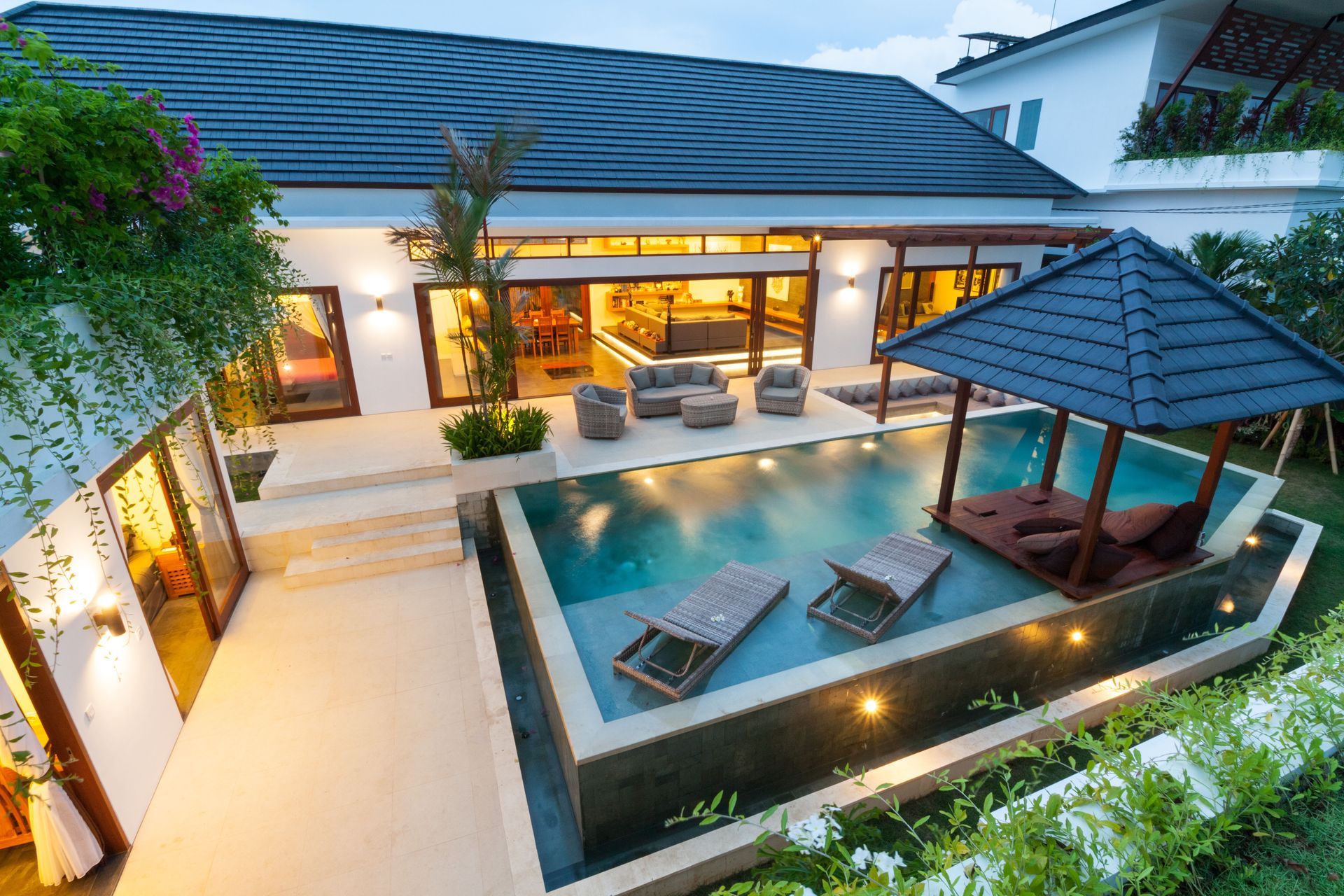
From a property standpoint, pools often enhance both visual appeal and functional outdoor living space. They transform yards into extensions of the home that support relaxation, entertainment, and everyday enjoyment. A well-designed pool can make outdoor areas feel purposeful rather than underused. This added functionality increases overall livability.
Architectural integration plays a major role in maximizing value. Pools that complement landscaping and home design feel cohesive instead of added on as an afterthought. Thoughtful layouts, materials, and finishes help align aquatic features with the overall aesthetic of the property. Visual continuity strengthens buyer appeal.
For many homeowners, swimming pools also represent lifestyle goals. They signal comfort, leisure, and a commitment to outdoor living that appeals to potential buyers. In competitive real estate markets, a properly maintained pool can positively influence buyer perception. This perception often affects time-on-market.
Reflecting Cultural And Regional Needs
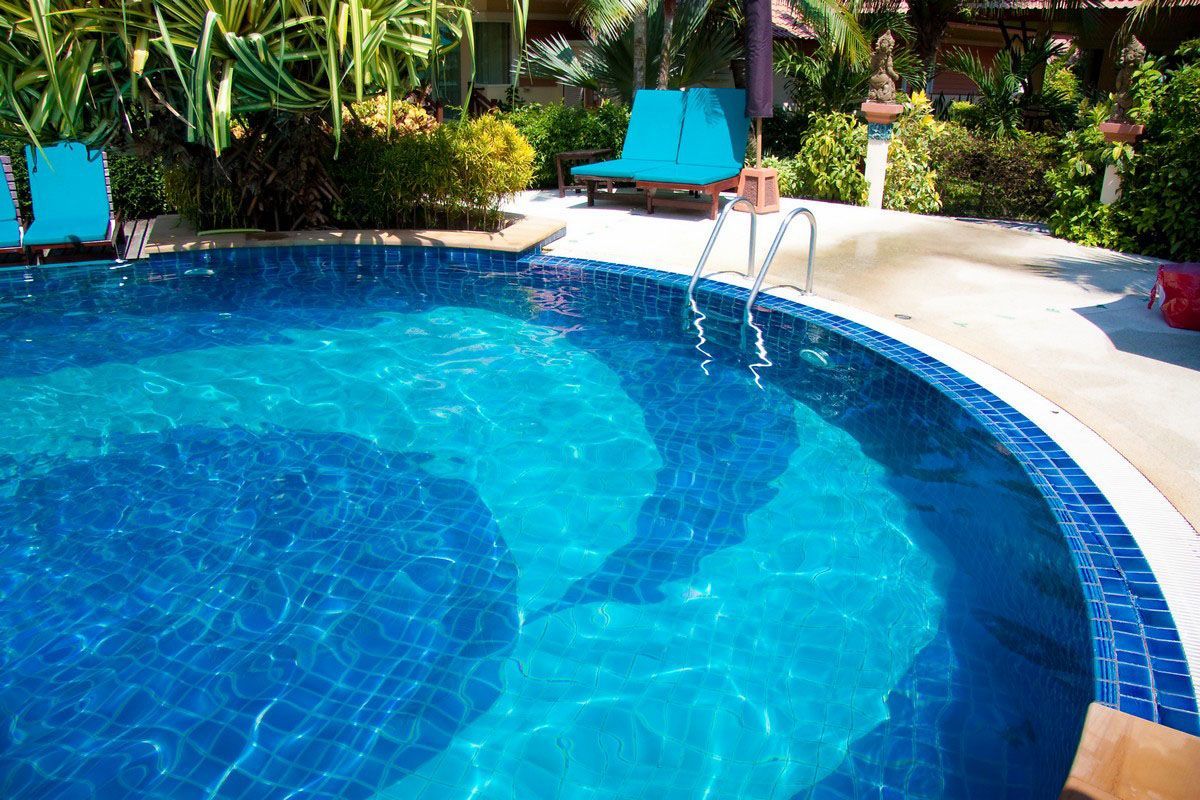
Climate plays a significant role in pool popularity, particularly in warm and humid regions. In these areas, aquatic spaces provide daily relief from heat and support outdoor living for much of the year. Pools often become essential lifestyle features rather than occasional luxuries. Consistent usability increases their perceived value.
Cultural identity also influences how water features are used and valued. In many communities, pools are tied to celebrations, gatherings, and shared traditions. These cultural connections elevate pools beyond functionality into meaningful social landmarks. They often serve as gathering points during important events.
Media and pop culture continue to reinforce their appeal. Film, advertising, and social platforms frequently portray poolside settings as symbols of relaxation and success. These influences shape expectations and design preferences for modern swimming pools. Visual storytelling plays a powerful role in demand.
Addressing Challenges And Responsibilities
Environmental responsibility is an important consideration in modern pool ownership. Water use, energy consumption, and chemical management require thoughtful planning and oversight. Newer systems help reduce waste while supporting efficient operation. Responsible practices help align enjoyment with sustainability.
Safety and maintenance are equally critical. Regular cleaning, water testing, and equipment inspections protect both users and the pool structure itself. Proper fencing, covers, and supervision further reduce risk. These steps help prevent avoidable issues.
Accessibility remains an important topic in broader discussions about aquatic facilities. Community programs and shared spaces help expand access to swimming pools across different populations. These efforts support equitable access to recreation and wellness opportunities. Inclusive planning strengthens community value.
Swimming pools continue to appeal to homeowners and communities because they serve many purposes at once. They promote health, strengthen relationships, support family life, and enhance outdoor environments. With thoughtful design and responsible care, their value extends across generations.
For homeowners in Baytown, TX and surrounding areas, Cryer Pools & Spas brings over 50 years of experience to every project. From new
swimming pools to hot tubs and spas, pool repair, and pool maintenance, our skilled team focuses on quality, longevity, and personalized service. If you’re ready to create an outdoor space designed for fun, wellness, and lasting enjoyment, we are here and ready to help.











Share On: