

Answering Common FAQs About Above Ground Pools
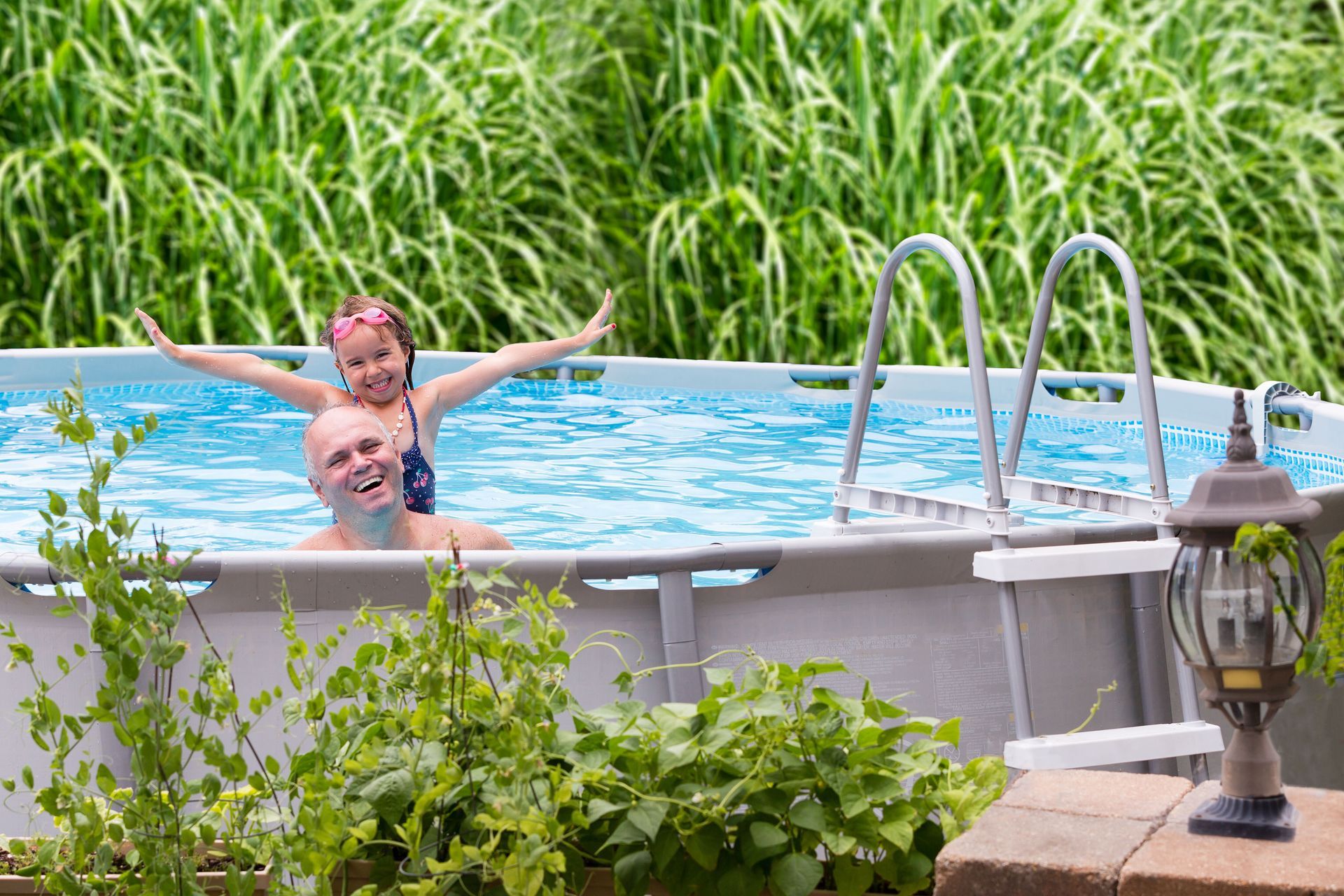
Installing above ground pools enhances residential leisure, provides wonderful outdoor entertainment, and creates a refreshing escape during hot summer afternoons. While many property owners dream of backyard aquatic retreats, navigating pool ownership often generates numerous technical inquiries regarding cost, maintenance, site preparation, and longevity. Today, modern above ground pools present versatile, cost-effective alternatives to permanent in-ground basins without demanding months of disruptive excavation work across your yard. Learning how these self-contained aquatic installations operate allows families to make confident, well-informed investments in backyard recreation. Addressing foundational questions clarifies practical expectations, helping prospective pool owners plan enjoyable, hassle-free summers ahead.
Determining Suitable Backyard Dimensions and Ground Preparation Requirements
Selecting an ideal location begins by surveying open space, overhead power lines, and buried utility connections across your property. The chosen ground must sit completely level, as even minor unlevel slopes place uneven hydraulic pressure against exterior containment walls, creating dangerous structural instability. Installers remove topsoil, eliminate sharp rocks, roots, and invasive grass varieties, then compact a dense masonry sand base to support the interior floor. In addition, leaving adequate walking clearance around the perimeter ensures easy access for vacuuming equipment, seasonal covers, and filter lines. Proper site grading preserves structural integrity, preventing shifting foundations and costly mechanical issues later.
Comparing Structural Materials for Long-Term Durability and Resilience
Modern manufacturing incorporates steel, extruded aluminum, and durable resin composites to withstand weather extremes and constant water contact. Steel frames provide exceptional rigidity and tensile strength at affordable entry prices, though metal components demand diligent inspection around skimmer openings to deter oxidation over time. All-aluminum assemblies resist rust naturally, providing lightweight structural resilience in humid coastal climates where moisture accelerates corrosion. Hybrid models combine steel uprights with molded resin top rails that remain cool under intense sunlight, resisting corrosion and cosmetic denting. Evaluating these frame materials helps buyers purchase above ground pools that match regional climate conditions and aesthetic preferences.
Assessing Water Depth Variations and Swimmer Safety Guidelines
Understanding depth parameters helps homeowners match aquatic basins to their family swimming abilities and safety requirements. According to Pool Research, the average pool is between 3.5 and 9 feet deep. Above-ground basins typically feature uniform depths determined by forty-eight, fifty-two, or fifty-four-inch sidewall heights, providing consistent water levels throughout the entire footprint. Because these models maintain flat bottoms without deep diving wells, diving remains strictly prohibited to prevent serious head trauma. Installing sturdy security ladders with lockable outer treads prevents unsupervised child access. Establishing strict household safety protocols, including non-slip deck treads and life ring availability, preserves enjoyable aquatic recreation.
Managing Routine Water Chemistry and Filtration Maintenance Schedules
Maintaining crystalline water requires consistent mechanical circulation and balanced chemical sanitization to eliminate harmful bacteria, algae, and organic debris. Sand, cartridge, and diatomaceous earth filters pull contaminated water through skimmer mouths, capturing suspended particulates before returning purified water through directional wall jets. Testing sanitization parameters twice weekly ensures that free chlorine, total alkalinity, and calcium hardness remain within balanced ranges. Circulating water for eight to twelve hours daily during peak summer warmth prevents stagnant conditions where green algae blooms multiply rapidly. Integrating high-efficiency filtration with above ground pools ensures clean, hygienic swimming conditions throughout the warmest months of the year.
Evaluating Heating Alternatives for Comfortable Extended Swimming Seasons
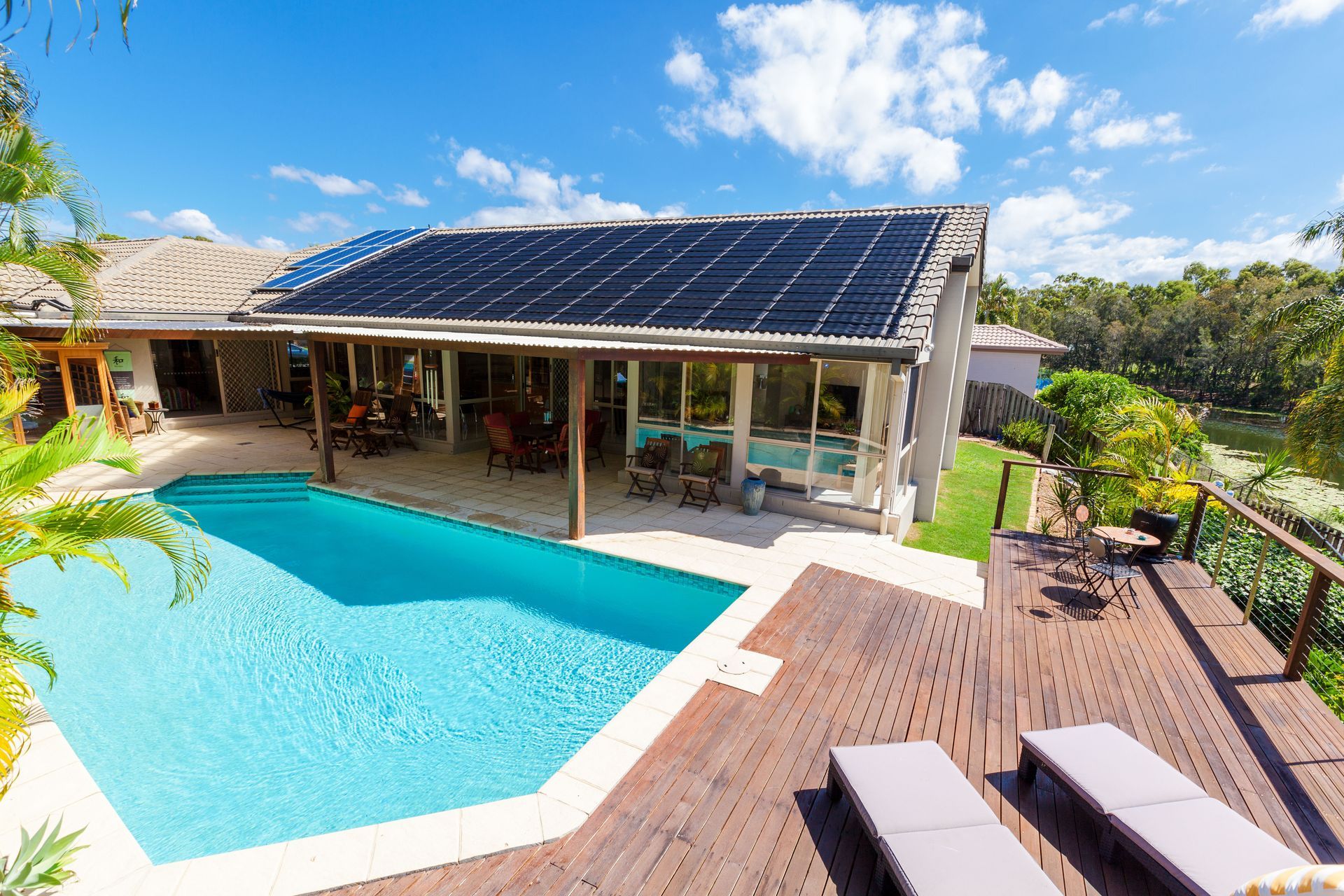
Unheated surface water cools rapidly when brisk evening breezes strip away daytime solar warmth, shortening seasonal outdoor swimming comfort. Homeowners frequently install high-efficiency electric heat pumps, natural gas heaters, or rooftop solar collector panels to maintain pleasant water temperatures into early autumn. Gas heaters deliver rapid thermal increases during unpredictable weekend weather, while heat pumps operate economically by extracting warmth from ambient atmosphere during humid afternoons. Incorporating thermal solar blankets atop water surfaces dramatically reduces overnight heat evaporation, lowering utility consumption and chemical dissipation. Investing in suitable thermal heating equipment extends family enjoyment well beyond the conventional parameters of midsummer.
Navigating Regional Permitting and Safety Enclosure Regulations
Local municipal authorities enforce strict building codes, property boundary setbacks, and safety enclosure ordinances before authorizing any outdoor aquatic installations. Most local jurisdictions classify backyard basins as permanent structures requiring formal building permits, electrical compliance inspections, and self-closing barrier fences. Property owners must verify that existing pool walls satisfy minimum height mandates, usually requiring external perimeter fencing if sidewalls measure under forty-eight inches. Additionally, electrical connections for water circulation pumps must incorporate dedicated ground-fault circuit-interrupter outlets wired by licensed technicians. Navigating municipal zoning requirements ahead of time avoids costly citation fines, stressful project stop-work orders, and unexpected structural repositioning expenses.
Protecting Interior Liners From Puncture Risks and UV Deterioration
Flexible vinyl membranes serve as the critical watertight barrier, keeping thousands of gallons securely contained inside structural framework perimeters. Over time, harsh solar ultraviolet exposure, concentrated chlorine tablets, and sharp foreign objects can slowly degrade vinyl elasticity, causing brittle cracks or troublesome small punctures. Installing thick protective ground pads and heavy-duty cove cushions around interior base perimeters eliminates friction against frame edges and jagged stones. Homeowners should never drag metal cleaning poles or glass containers inside above ground pools, as sudden punctures trigger catastrophic flooding. Applying vinyl conditioning treatments and patching minor tears promptly prolongs overall liner service life significantly.
Preparing Winterization Procedures Through Reliable Closing Kits and Covers
Enduring harsh winter freezing cycles requires meticulous preparation before sub-zero temperatures turn standing water into expanding ice blocks. Homeowners begin the seasonal shutdown by balancing water chemistry, adding winterizing algaecides, and draining water levels several inches below skimmer intake mouths. Thoroughly clearing water lines with air compressors prevents burst plumbing lines, while specialized expansion plugs and skimmer guard shields absorb ice expansion pressure inside delicate skimmer housings. Fastening rugged winter covers with perimeter winches and cable assemblies keeps windblown leaves, heavy snow, and dirt from fouling clean water. Thorough winterization protects delicate equipment, simplifying spring openings and saving valuable money.
Budgeting Ongoing Operating Expenses With Energy-Efficient Pump Equipment
Long-term ownership costs encompass electricity consumption, water replenishment, chemical treatments, and periodic component replacements over several seasons. Traditional single-speed circulation pumps consume substantial electricity when running continuous twelve-hour filtration cycles, inflating monthly household energy statements during peak summer usage. Upgrading to variable-speed pumps dramatically slashes energy usage by running at lower, whisper-quiet flow rates throughout the day. Furthermore, using modern mineral sanitizers or automated salt-chlorine generators reduces ongoing household dependence on costly bottled liquid chlorine and granular shocks. Establishing proactive maintenance budgets allows savvy homeowners to manage ongoing operational costs predictably while maintaining immaculate, crystal-clear swimming water all season long.
Enhancing Surrounding Aesthetics With Decking and Landscape Features
Transforming a simple backyard basin into an inviting domestic oasis involves thoughtful outdoor landscaping and integrated timber or composite decking. Multi-level timber decks built flush with top rails provide seamless entry platforms, sunbathing lounges, and convenient staging zones for patio furniture. Surrounding exterior walls with pea gravel drainage borders, decorative ornamental grasses, and mulch beds mask metal framework while preventing mud splashes during heavy thunderstorms. Incorporating low-voltage solar path lighting, weather-resistant outdoor speakers, and cantilever umbrellas establishes a resort-style ambiance right outside your back door. Creative exterior styling integrates fresh aquatic additions naturally with surrounding domestic landscape architecture and gardens.
Investing in backyard aquatic amenities provides families with countless opportunities for refreshing relaxation, healthy recreation, and memorable neighborhood gatherings. Understanding proper ground leveling, structural material differences, water chemistry routines, and seasonal closing protocols transforms ongoing maintenance into a manageable, straightforward responsibility. While maintaining pristine water requires consistent attention, modern filtration technology and energy-efficient equipment minimize manual chores significantly. Equipping your household with comprehensive practical knowledge allows you to maximize equipment longevity and minimize operational stress. By making informed equipment choices, homeowners can embrace above ground pools with complete confidence, creating enduring backyard memories that span generations of sunny summer afternoons.
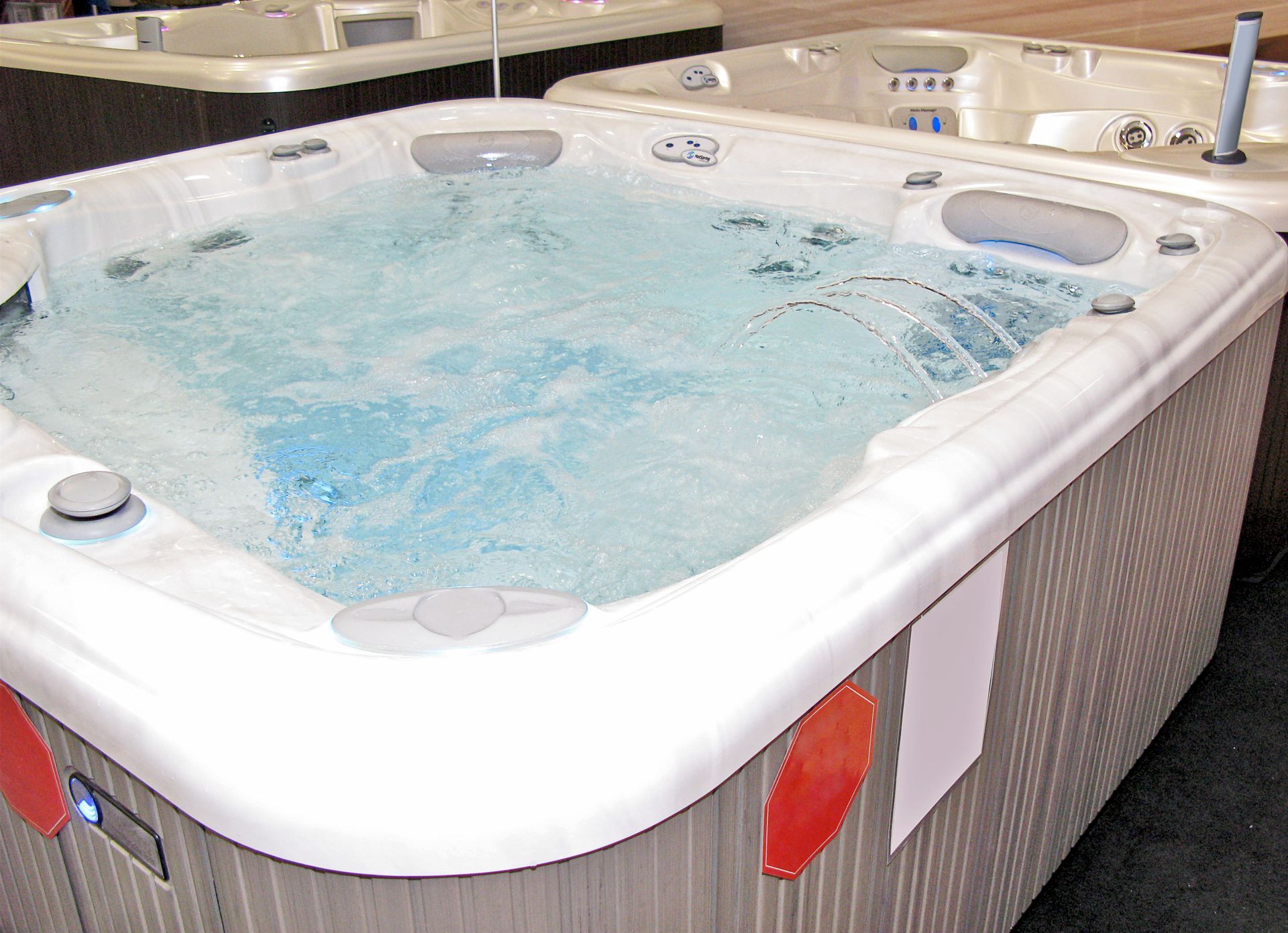
Are you considering installing a pool in Baytown, TX, and the surrounding areas? At Cryer Pools & Spas, we handle above ground pools, hot tubs and spas, pool maintenance services, and more! Contact us today to schedule an appointment.











Share On: